

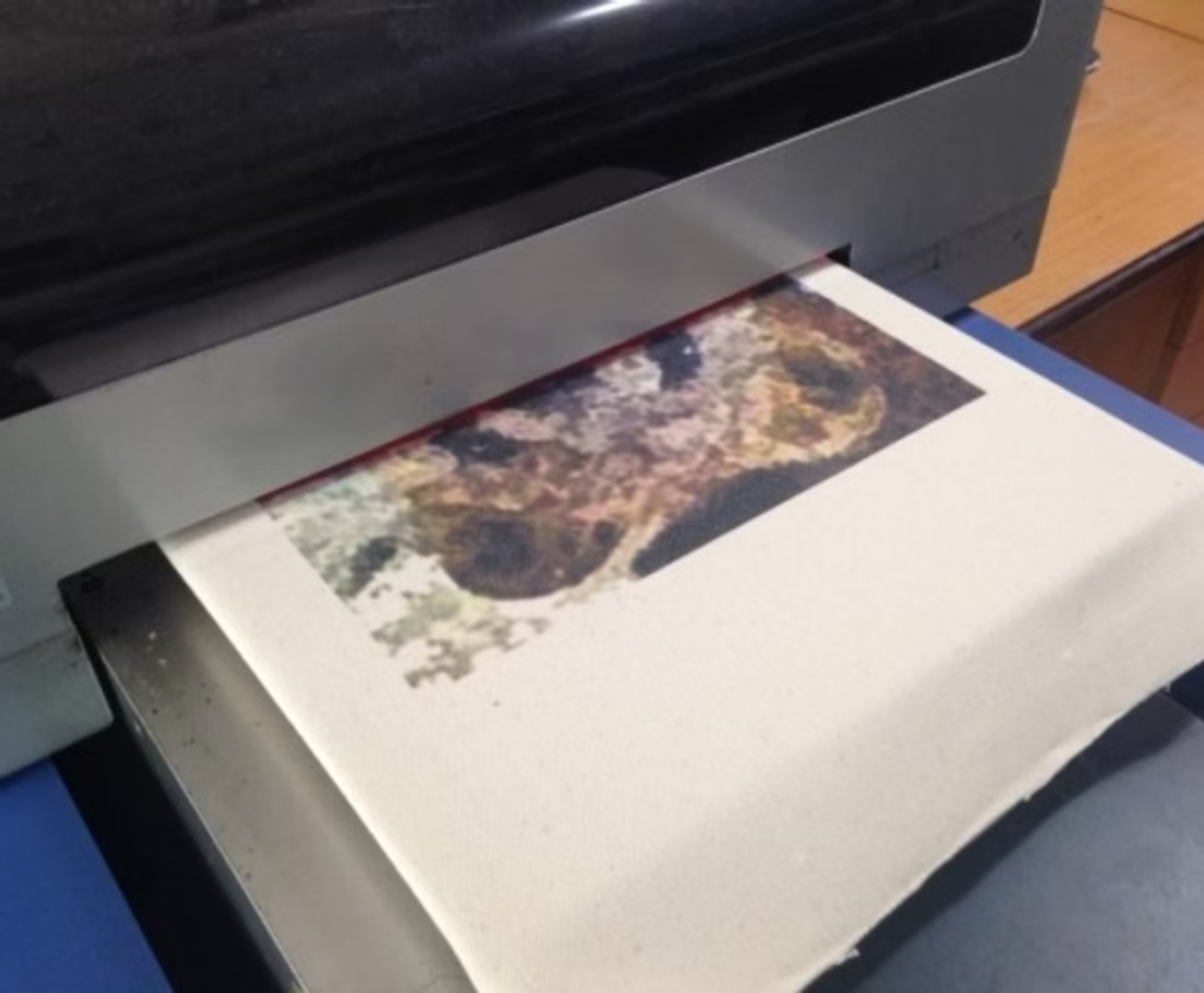
Fabric bags may look simple, but the way they are produced dramatically affects their durability, consistency, and overall brand value. Every fabric bag is built from four basic components:
- Raw cotton canvas fabric

- Thread

- Webbing straps

- Printing

Across the industry, fabric bags are typically made through three primary production routes. Each method has its own strengths and limitations, and understanding them helps brands choose the right manufacturing partner.
1. Chinese Fabric → Chinese Printing → Chinese Sewing
The lowest‑cost, mass‑market option
This is the most common method for inexpensive fabric bags sold on open marketplaces.
Pros
- Extremely low production cost
- Fast mass production
Cons
- Fabric and sewing quality vary widely
- High defect rates
- No after‑service
- Limited customization
- Not suitable for brand‑sensitive or premium products
2. Korean Fabric → Korean Sewing → Local Printing
High‑quality materials and sewing with the flexibility of local printing
This method combines Korean craftsmanship with the convenience of Canadian finishing.
Pros
- Korean‑made fabric offers superior durability and consistency
- Korean sewing ensures clean stitching and strong structural integrity
- Local Canadian printing allows fast communication and quick revisions
- Lower defect rates than Chinese‑made blanks
- Suitable for small batches and brand‑sensitive projects
- Easier after‑service because printing is handled locally
Cons
- Limited customization of bag shapes since sewing is completed before printing
- Higher cost than fully Chinese‑based production
3. Korean Fabric → Korean Printing → Korean Sewing
Full Korean manufacturing for the highest level of precision and consistency
All stages—cutting, printing, and sewing—are handled within a single Korean production line.
Pros
- Printing is done after cutting, reducing misalignment and print failure
- Every stage is monitored and quality‑checked
- Capable of producing a wide variety of bag shapes and custom structures
- Excellent for premium products, collaborations, and detailed designs
- Strong balance of price, craftsmanship, and reliability
- Full after‑service support due to centralized production
Cons
- Longer lead times compared to local Canadian printing
- Higher production cost than Chinese‑based methods
Choosing the Right Production Method
Each production route serves a different purpose:
- Low‑cost mass production: Method 1
- High‑quality materials + local printing flexibility: Method 2
- Premium, fully controlled manufacturing: Method 3
Understanding these differences helps brands make informed decisions based on their priorities—whether that’s cost, speed, customization, or long‑term quality.
Leave a Reply
You must be logged in to post a comment.